Why Shame Keeps Men Stuck in Recovery
Jun 27, 2026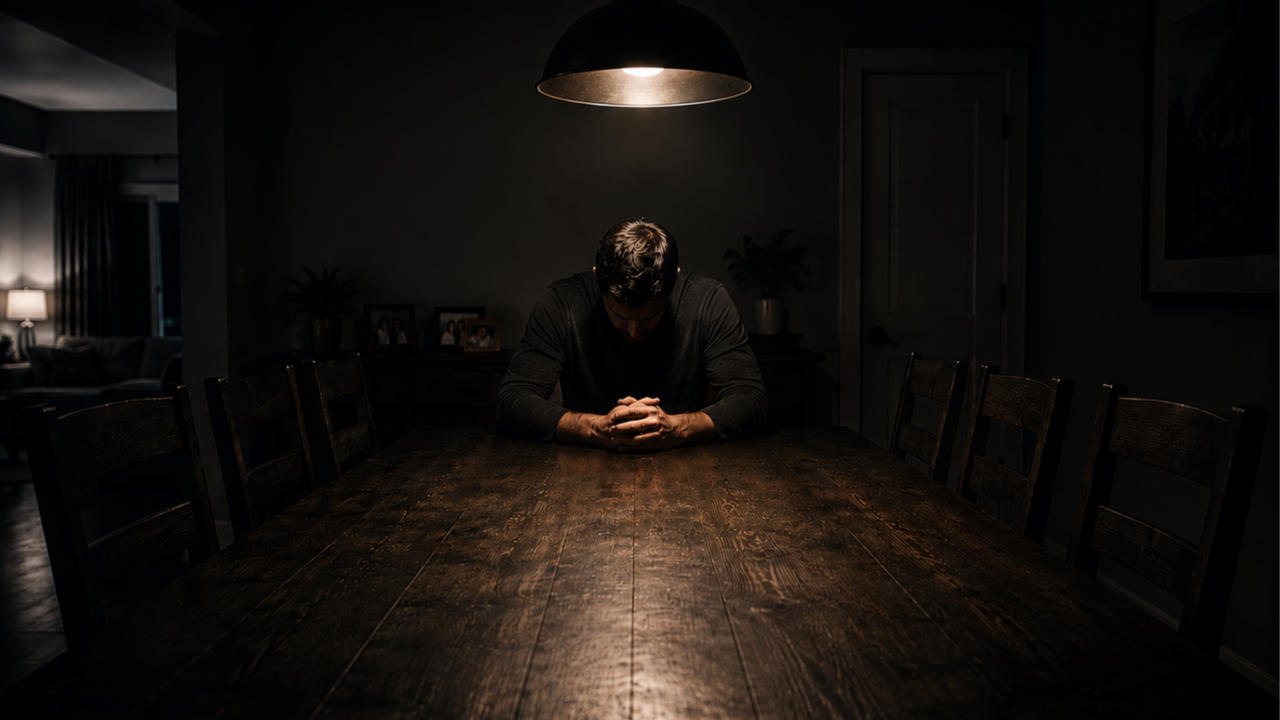
Most men don’t realize shame is driving their behavior.
They think the real problem is lack of discipline.
Lack of self-control.
Lack of motivation.
But underneath the behavior is often something deeper.
Shame.
Not just guilt for bad decisions.
A deeper belief that something is wrong with them.
That belief changes how men live.
It teaches them to hide.
To isolate.
To perform.
To pretend they’re okay when they’re falling apart internally.
And over time, shame becomes its own prison.
Especially for fathers.
Because many men are trying to carry the weight of work, marriage, parenting, stress, and emotional exhaustion while also hiding parts of themselves they feel terrified to expose.
So they stay silent.
And silence keeps the cycle alive.
The Difference Between Guilt and Shame
Guilt says:
“I made a mistake.”
Shame says:
“I am the mistake.”
That difference matters.
Healthy guilt can lead to responsibility and repair.
But shame usually pushes men deeper into hiding.
When shame takes over, men stop believing change is possible.
They stop reaching out.
They stop being honest.
They stop letting people see what is really happening beneath the surface.
Instead, they build a mask.
They try to look strong.
Competent.
Put together.
Meanwhile, internally, they feel exhausted and disconnected.
That disconnect is where destructive cycles often grow stronger.
Why Secrecy Makes Everything Worse
Most unhealthy behaviors survive in secrecy.
Not because men want to live double lives.
Because shame convinces them honesty is dangerous.
Many fathers quietly carry the fear:
“If people really knew me, they would reject me.”
So they hide.
But hiding creates isolation.
And isolation intensifies shame.
It becomes a loop:
- Shame creates secrecy
- Secrecy creates isolation
- Isolation creates more shame
Eventually, many men become emotionally numb.
Not because they do not care.
Because they have spent years suppressing what they actually feel.
That emotional suppression affects everything:
- Marriage
- Parenting
- Mental health
- Emotional regulation
- Self-respect
A man cannot stay disconnected from himself without eventually becoming disconnected from the people he loves too.
Why Men Often Struggle to Talk About What They Feel
A lot of men were never taught how to process emotions safely.
They learned how to:
- Push through
- Stay busy
- Avoid weakness
- Handle problems alone
But emotional avoidance does not remove pain.
It usually redirects it.
Stress becomes anger.
Loneliness becomes isolation.
Fear becomes control.
Shame becomes silence.
And eventually, unhealthy coping habits become a way to escape internal pressure for a few moments.
That is why recovery is not simply behavioral.
It is emotional.
Healing requires learning how to sit with discomfort honestly instead of constantly escaping it.
The Power of Being Honest in Safe Places
One of the most transformational moments in recovery happens when a man finally tells the truth without being condemned for it.
For many men, that moment feels terrifying.
Because shame expects rejection.
But healing often begins when honesty is met with understanding instead of judgment.
That changes something internally.
The nervous system relaxes.
The hiding starts to loosen.
The weight becomes lighter.
Not because the struggle disappears overnight.
Because the man no longer carries it completely alone.
This is why safe community matters so much in porn addiction recovery and emotional healing.
Not performative vulnerability.
Not surface-level conversations.
Real honesty.
The kind where a man can say:
- “I’m struggling.”
- “I feel ashamed.”
- “I don’t know how to stop.”
- “I’m exhausted from pretending.”
And instead of rejection, he experiences support.
That experience can completely reshape how a man sees himself.
Why Fathers Need Safe Community Too
Many fathers spend their lives trying to become the safe place for everyone else.
For their wife.
For their children.
For their family.
But very few men have safe places themselves.
That becomes dangerous over time.
Because men who carry pain alone eventually burn out emotionally.
And when emotional exhaustion builds, it affects how fathers show up at home.
Short tempers.
Withdrawal.
Disconnection.
Irritability.
Numbness.
Not because they are bad fathers.
Because they are overwhelmed and unsupported.
The truth is, fathers need support too.
They need places where they can be honest without feeling weak.
Places where they can stop performing.
Places where they can breathe.
And when fathers experience that kind of safety themselves, they become more emotionally available for their families.
That is part of breaking the cycle.
Healing Begins When Shame Loses Its Grip
Shame survives in darkness.
Healing begins in honesty.
Not perfect honesty.
Not polished honesty.
Messy honesty.
The kind that says:
“I need help.”
For many men, that sentence feels harder than continuing the struggle itself.
But it is often the doorway to real change.
Because recovery does not grow through self-hatred.
It grows through awareness, connection, honesty, and support.
That does not mean avoiding responsibility.
It means learning how to face struggles without drowning in shame every time you fail.
You Don’t Have to Carry This Alone
If you are exhausted from hiding, pretending, or fighting this battle in silence, start with one honest step.
Tell the truth.
Reach out.
Find safe people.
Build real support.
Healing becomes possible when men stop isolating themselves.
You were never meant to carry shame alone.