Time Under Pressure: Building Recovery Muscle One Rep at a Time
Mar 03, 2026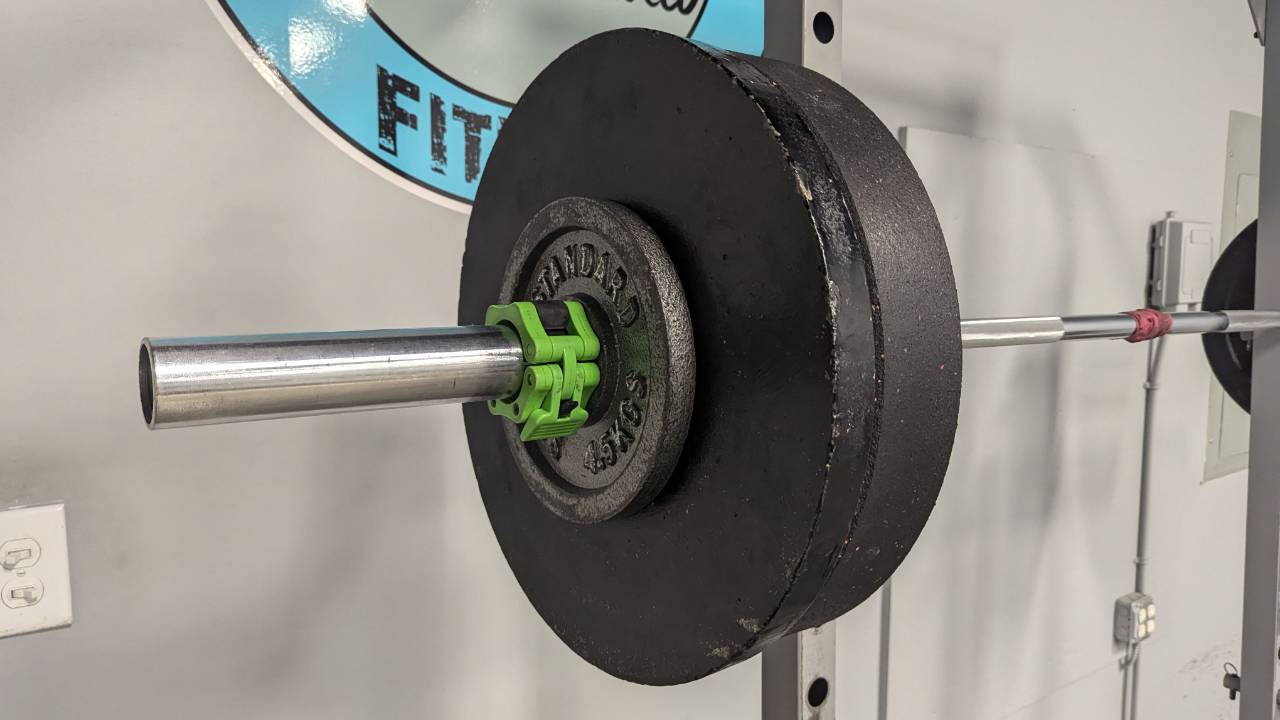
The other day, Matt and I hit “record” for an episode of The Recovered Dad Podcast, and it started the way real life often starts: rushed, imperfect, and honestly kind of funny.
Matt had just come in hot from the gym, trying to make it on time. I texted him that I was running ten minutes late—because I was—and he told me later he was secretly grateful for the breather. That little moment turned into the doorway for the whole conversation: you can be trying hard and still need to slow down.
And if you’re a dad trying to recover—trying to become a man of integrity, presence, and peace—you already know how rare it is to slow down on purpose.
The workout got harder… even when the weight didn’t
I’ve been strength training for a few years now, and I’ve made real progress—stronger, healthier, more capable. At one point I even chased the “thousand-pound club” idea (combined bench, squat, deadlift). I got into the 900s, which I’m gonna admit… felt pretty good.
But then something happened that I think every man hits eventually:
Your goals shift.
Not because you quit caring, but because you start caring about the right things.
I’m 45. My joints matter. My tendons matter. I’m not trying to “win” the gym anymore. I’m trying to build something that lasts.
So the training changed.
My trainer started pushing me toward something that sounds simple but is brutal in practice:
Time under pressure.
Not heavier weight. Not more reps. More tension.
More control.
More intentional force.
The “hydraulic press” moment
Here’s the picture that helped it click:
Imagine you’re driving with a full glass of water sitting on your dashboard. If you accelerate and brake like a maniac, that water is going everywhere. But if you drive smooth...steady acceleration, steady deceleration, you keep it under control.
That’s what lifting became.
Instead of “up-down, pause, up-down, pause,” it’s constant motion. Slow. Steady. No momentum. No break. Your muscle stays under tension the entire time.
And let me tell you: my reps dropped fast.
What used to be 10–12 reps became 10… then 8… then 6—because the muscle is working the whole time.
That’s when it hit me:
This is exactly how recovery works.
Recovery isn’t built by “checking the box”
Porn is the pain pill. That’s the simplest way I know how to say it.
For most of us, porn was never the real problem—it was the solution we grabbed when we didn’t have healthier tools.
It was how we coped with stress, loneliness, rejection, pressure, shame, exhaustion, and that “nobody sees what I carry” feeling that so many dads live with.
And the hardest part?
Porn almost works.
It gives a moment of relief. A moment of escape.
But the cost always shows up right after: guilt, fear, shame, secrecy, disconnection.
So a lot of men come into recovery with the same mindset they bring into everything else:
“Just tell me what to do. I’ll do the thing. I’ll check the box.”
But you can’t build recovery that way—because recovery is not an information problem.
It’s a strength problem.
It’s a capacity problem.
And capacity is built the same way muscle is built:
Through tension.
The growth you want is on the other side of discomfort
The moment I started doing time-under-pressure training, ego got exposed.
Because you can’t train this way for ego.
You can’t bounce the weight.
You can’t rely on momentum.
You can’t hide behind numbers.
It’s just you… under tension… doing the work.
That’s recovery.
Recovery is learning to sit in the uncomfortable moment and not run.
It’s noticing the internal story spin up:
-
“I’m taken for granted.”
-
“Nobody appreciates me.”
-
“I’m unseen.”
-
“I’m unwanted.”
-
“I’m alone.”
And instead of reaching for the pain pill, you stay present long enough to ask:
What’s really here?
That question is a rep.
That moment of awareness is a rep.
That urge you don’t obey is a rep.
That conversation you have instead of disappearing is a rep.
And those reps add up.
Slowing down is a skill you train, not a trait you’re born with
Matt said something in the episode that I loved—because it names the reality most dads feel:
We’re running life at a high RPM.
Work. Kids. Marriage. Bills. Schedules. Pressure.
And a lot of us live in “minimum viable product mode” across our whole existence—just trying to survive the day.
The gift of recovery is learning to slow down on purpose.
Not as a luxury.
As a discipline.
As training.
Because here’s the truth: real life will hit you with emotional weight, whether you’re prepared or not.
So we train when it’s not an emergency.
We build strength before we need it.
That’s why daily practices matter.
That’s why we talk about the Core Four. Journaling, exercise, meditation, reading...not as a checklist, but as a way of building capacity.
Even if the “minimum viable product” some days is one minute of stillness.
The point is intention.
The point is showing up for the rep.
No shortcuts to 1,000 days
One of my favorite lines from the conversation was simple:
How do you get 1,000 days of recovery?
You can’t get it in a year.
There is no shortcut to 1,000.
It takes 1,000 days.
That’s not meant to discourage you.
It’s meant to free you from the lie that you have to “fix everything” by next week.
You don’t.
You have to take the next rep.
Today.
And then tomorrow.
And then the next day.
A challenge for you (and it’s gonna feel stupid at first)
Next time you do a push-up…slow it down.
See if you can stretch one push-up into an entire minute.
One minute down.
One minute up.
No collapse. No rush. No escape.
It will reveal you.
And that’s why it’s helpful.
Because the point isn’t the push-up.
The point is learning what it feels like to stay present under pressure.
That is recovery training.
Your family is worth the reps
If you’re reading this and thinking, “Okay…but I’m still struggling,” hear me:
You’re not broken.
You’re not depraved.
You’re not a monster.
You’re a man who learned a coping mechanism that “almost works,” and now you’re learning better tools.
And it will feel like tension at first.
It will feel like discomfort.
That’s not failure, that’s training.
If you want help getting your first reps in, go grab our Father’s Freedom Framework It’s built to help you start building recovery muscle in a way that actually translates into real life—marriage, fatherhood, leadership, and integrity.