Why Recovery Was Never Meant to Be a Solo Journey
Jul 28, 2026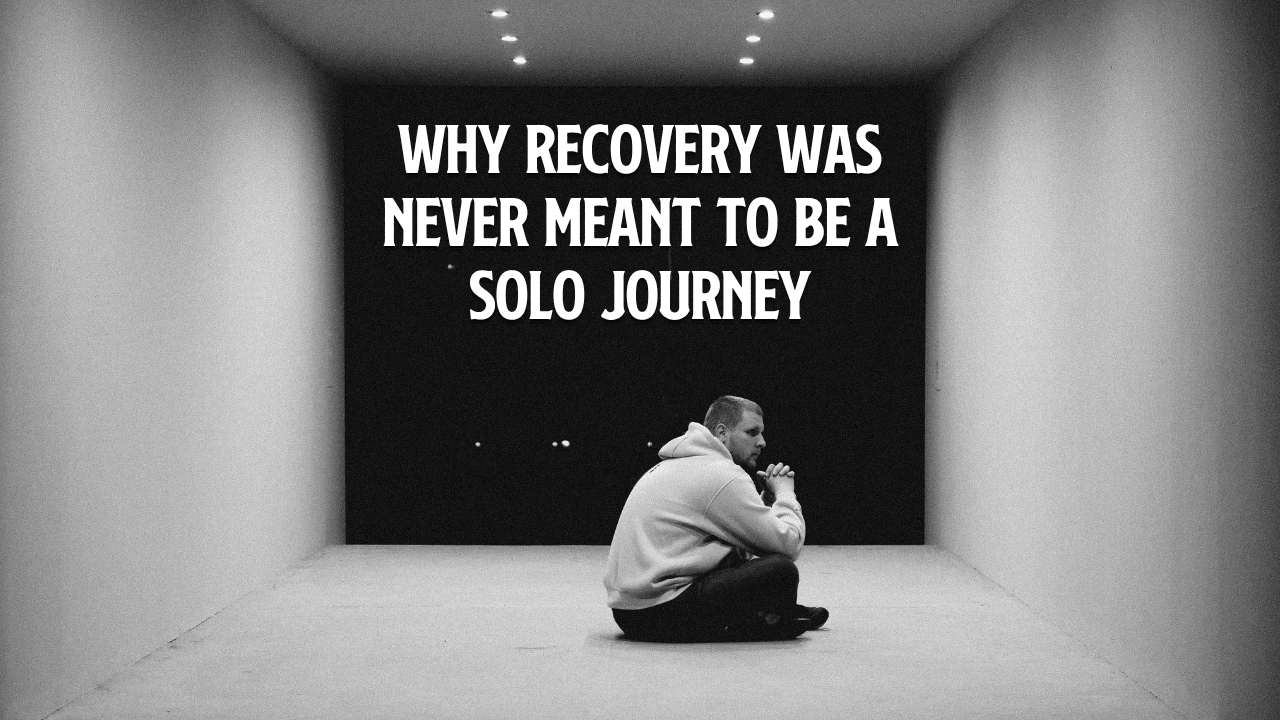
Many fathers believe they have to figure recovery out on their own.
They promise themselves they'll do better.
They commit to trying harder.
They convince themselves that if they can just stay disciplined long enough, they'll finally break free.
So they keep their struggle hidden.
They carry the shame alone.
And when they stumble, they retreat even further into isolation.
It feels safer that way.
But it's also one of the biggest reasons so many men stay stuck.
Recovery was never designed to happen in isolation.
It was designed to happen in relationship.
Isolation Feels Safe Until It Isn't
For many men, isolation feels like protection.
If no one knows about the struggle, no one can judge it.
If no one asks difficult questions, there's no need to explain another setback.
On the surface, it seems easier to carry the burden alone.
But isolation has a way of turning a private struggle into a permanent one.
Without honest relationships, it's easy to believe the lies that addiction tells.
"You're the only one."
"You'll never change."
"Just try harder next time."
Those thoughts become louder when there's no one else speaking truth into your life.
Recovery Grows Where Honesty Lives
One of the biggest turning points in recovery is realizing that freedom isn't found by hiding your struggle better.
It's found by bringing it into the light.
That doesn't mean telling everyone your story.
It means finding a few trusted people who know the real you.
People who can ask how you're doing and expect an honest answer.
People who remind you that one difficult day doesn't erase months of progress.
People who celebrate your victories and walk with you through your setbacks.
That's the kind of support that changes a recovery journey.
Accountability Is About More Than Checking In
For some men, accountability sounds restrictive.
It feels like someone looking over your shoulder, waiting for you to fail.
Healthy accountability looks very different.
It's not about catching mistakes.
It's about creating connection.
It's knowing there's someone you can call before a difficult moment becomes a setback.
It's having men who challenge you when you're making excuses and encourage you when you're discouraged.
Accountability isn't built on fear.
It's built on trust.
And trust creates the kind of environment where real porn addiction recovery can take root.
The Strongest Men Don't Fight Alone
Our culture often celebrates independence.
Handle it yourself.
Figure it out.
Don't let anyone see you struggle.
But strength isn't measured by how much you can carry alone.
It's measured by knowing when to ask for help.
Every father needs people who can speak truth when emotions become overwhelming.
Every husband needs relationships that encourage integrity instead of secrecy.
Every man needs a place where he doesn't have to pretend everything is okay.
That's not weakness.
That's wisdom.
Community Builds More Than Recovery
The benefits of healthy community extend far beyond overcoming pornography.
As men become more honest with one another, they also become more emotionally aware.
They learn to process frustration instead of stuffing it down.
They become more patient with their families.
They respond instead of reacting.
These are the same skills that strengthen fatherhood and improve emotional regulation.
Recovery isn't just changing one habit.
It's shaping the kind of man your wife and children experience every day.
One Conversation Can Change Everything
The hardest step is often the first one.
Sending the text.
Making the phone call.
Walking into the meeting.
Admitting you don't have it all together.
But those moments often become the beginning of lasting freedom.
Not because every problem disappears overnight.
Because isolation loses its grip.
Healing begins when honesty replaces hiding.
Take the First Step
If you've been trying to do recovery on your own, consider what might change if you stopped carrying the weight by yourself.
Reach out to one trusted friend.
Join a recovery group.
Start the conversation you've been putting off.
You don't have to have all the answers before you ask for help.
The first step toward breaking the cycle isn't proving you're strong enough to do it alone.
It's recognizing that recovery was never meant to be a solo journey.